

Smile Virtual
–Now Available
Do you want a beautiful smile you can be confident about?
Request your free video consultation today in just 2 minutes. No scheduling, no appointments - just possibilities!
Learn MoreMeet the Doctor
Jennifer Rodriguez, DDS
Smile Gallery



Featured Services
Implants
Dental implants provide a comfortable, permanent solution to lost teeth. The dental replacements are attached to titanium posts that actually fuse to your jawbone and become natural anchors, so your new teeth will remain securely in place without the need for messy adhesives. A fully restored smile is as healthy as it is beautiful by promoting bone growth and reducing the risk of receding gums.
More informationCosmetic Dentistry
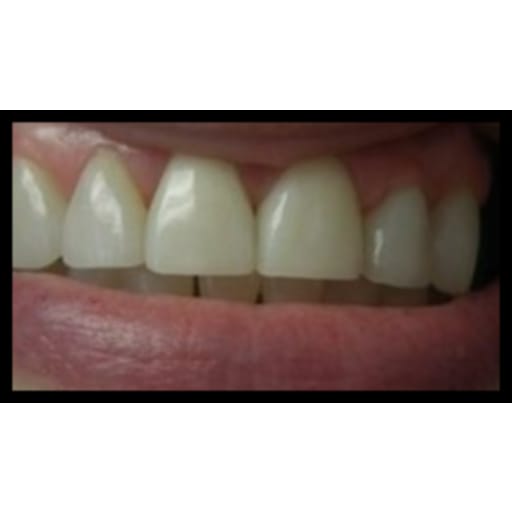
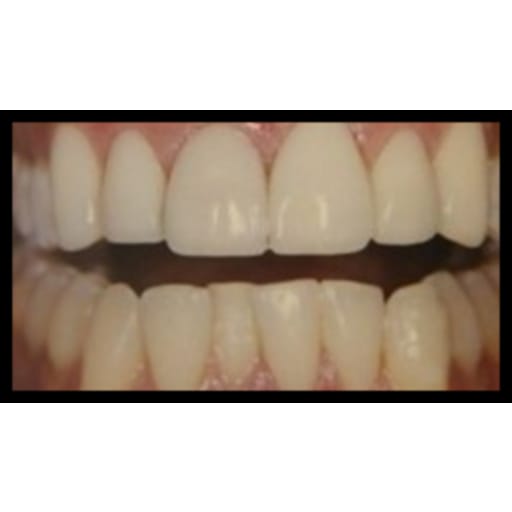
Our team uses the most advanced cosmetic dentistry techniques to improve the aesthetic quality of your teeth and create a beautiful smile you'll love and can proudly show off. Whether you need dental implants or teeth whitening, our goal is to make sure every patient leaves our office with a smile that looks as good as it feels.
More informationInvisalign
Custom-made to straighten your teeth, Invisalign® clear aligners are nearly invisible and made of a proprietary, multi-layer SmartTrack material, which gently shifts your teeth into place over time.
More informationDental Services Offered
About Us
Welcome to Eastside Dental Medicine in New York, New York!

At Eastside Dental Medicine, our number one goal is to provide the people of New York, New York with affordable, effective dental care. Our team of dental assistants, hygienists, and dentists will work with you to develop a treatment plan that is custom-tailored to your unique needs. We utilize state-of-the-art technology such as the iTero Digital Scanner to view your entire dental profile in unprecedented detail so we can analyze and diagnose with extraordinary accuracy. At Eastside Dental Medicine we are committed to offering the people of New York, New York dental services that exceed expectations and ensure happy, healthy smiles that last a lifetime.
Why Choose Eastside Dental Medicine?
Our Atmosphere
At Eastside Dental Medicine, we designed our office with our patients in mind. By combining a calm atmosphere with the latest technology, we have created a place where patients in New York, New York receive the level of dental care they need and deserve. The moment you walk in our front door, our team will make you feel comfortable, secure, and well-cared for. We understand that many people feel anxious about visiting the dentist, but you can be assured that your comfort is our top priority.
Our Team
Your smile is in good hands! The dentists, hygienists, and dental assistants here at Eastside Dental Medicine have the education and experience to meet all your oral health needs. We are dedicated to maintaining the highest quality of dental care through on-going training and continuing education in the latest techniques and equipment.
Our Philosophy
Because oral health is integral to overall health we strive to provide comprehensive, lifetime care to the New York, New York area. We will work with you to determine the best treatment for your immediate and preventative dental care needs!
Dental Services Provided at Eastside Dental Medicine
We offer a wide variety of dental services to meet your oral health care requirements in one convenient location. We encourage you to look around our website for more detailed descriptions of our services.
Regular Check-ups and Professional Cleaning
At Eastside Dental Medicine, we firmly believe that the best dental care is preventative dental care. Our goal is to help you maintain an effective routine for oral hygiene so that you are able to prevent tooth decay and avoid the cost and effort of dealing with cavities and gum disease. You can safeguard your smile with a visit to Eastside Dental Medicine every six months for a professional cleaning and dental exam. Our dental team can remove stubborn plaque and tartar buildup that regular brushing simply can't handle as well as identify the warning signs of decay and damage that would normally go unnoticed.
Teeth Whitening
Over time, your teeth's natural whiteness can fade or become discolored as the result of diet, personal habits, or simply getting older. However, the teeth whitening procedures we offer here at Eastside Dental Medicine can restore the brilliance of your smile. The Zoom! teeth whitening method has a proven track record of dramatically improving the whiteness of your smile by up to six shades in a very short amount of time. We would love to help you achieve a smile you're proud to show off.
Comfort Dentistry
Our highly trained dental assistants, hygienists, and dentists will employ the most up-to-date methods and innovative technology to administer care that is accurate, effective, and affordable. Whatever you need, at Eastside Dental Medicine, we ensure that our patients receive the care necessary to enjoy healthy teeth for years to come.
Corrective and Restorative Dental Services
You may be unhappy about the spacing or misalignment of your teeth, but you would like to know more about the options available. We encourage you to call us at 212-758-9498 and talk to our friendly, highly trained staff about the latest innovative orthodontic methods like Invisalign® clear aligners. Invisalign treatment is a wonderful option for working adults because it produces similar results to traditional metal braces, but utilizes a series of custom-made, clear aligners that are virtually invisible. You are able to maintain your professional appearance and enjoy the dramatic improvement of properly aligned teeth without feeling self-conscious. Make Eastside Dental Medicine your home for Invisalign clear aligner therapy in New York!
Regardless of how meticulous you are about your oral health care, problems can always occur. These conditions can compound and lead to a bite misalignment, bone degeneration, or even further tooth loss. However, at Eastside Dental Medicine, we can customize a treatment plan that will restore your smile and promote overall excellent oral health. Restoring your ideal dental structure not only improves your appearance and oral health but also prevents adjacent teeth from shifting and eliminates the discomfort of a misaligned bite.
If you are unsure if we provide a particular service to meet your individual need, please do not hesitate to call us at 212-758-9498 for further inquiry; we are happy to answer any questions you may have.
Innovative Technology for Dental Care
We utilize the most advanced, up-to-date technology in order to diagnose and treat dental problems with the highest level of accuracy and effectiveness. You no longer have to deal with time-consuming, uncomfortable traditional dental x-rays. Instead, we use non-invasive, painless equipment to instantly produce high-resolution dental images that allow our dentist to identify problems that would normally remain undetectable and untreated.
We are able to reduce the duration of your dental visit by using the iTero Element digital scanner to quickly obtain an extremely high-quality image of your entire dental structure. With the iTero scanner, you are able to see not only the current condition of your teeth but also a before-and-after-simulation of your ideal smile – and this is all done without the discomfort of using dental trays and impression goo to produce a physical model.
Make an Appointment Today!

Our dental team is ready to help you achieve and maintain the smile you've always dreamed of having. Call us today at 212-758-9498 to schedule an appointment for your comprehensive dental care.